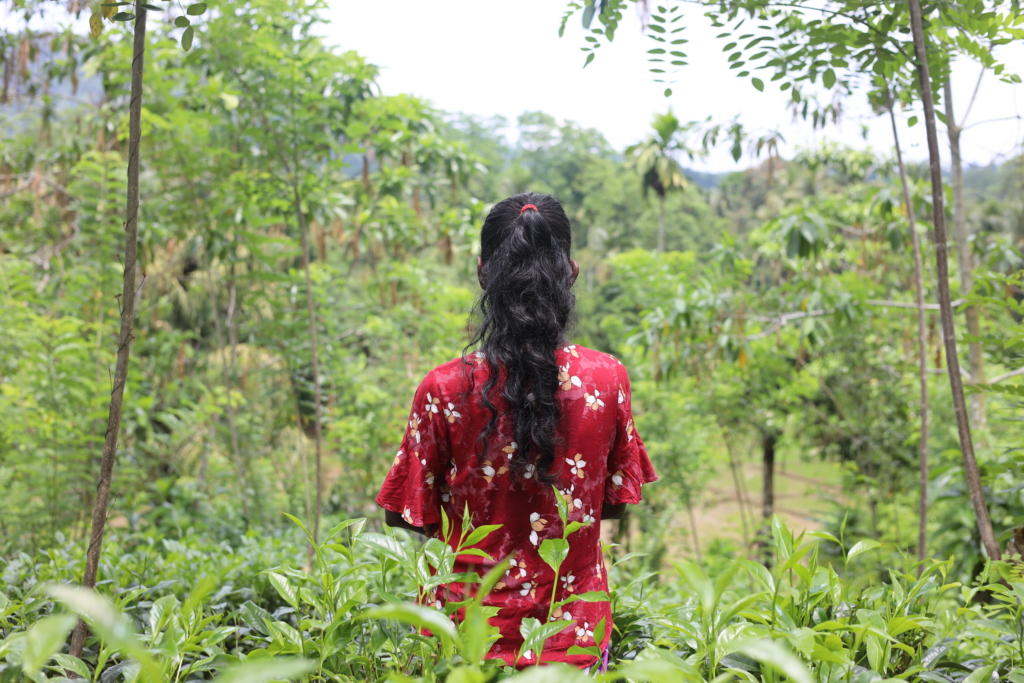
Malaiyaha Tamils working on private tea estates and smallholdings in Sri Lanka are being subjected to abuses that meet many of the International Labour Organization’s (ILO) indicators of forced labour, while being denied access to the country’s strict labour protections, Amnesty International said in a new report. The research, which documents the plight of workers in Sri Lanka’s Southern Province, found that members of the marginalized Malaiyaha Tamil community suffered multiple and widespread forms of abuse including intimidation and threats, physical violence and harassment, debt bondage, restrictions on movement, and poor working and living conditions. The report found that, in addition to its failure to address these labour abuses, the state is failing in its duty to ensure workers’ rights to social security, unionization, and access to justice. As an ILO member and party to 44 of its conventions, as well as UN human rights treaties such as the International Covenant on Economic, Social and Cultural Rights, Sri Lanka is obliged to ensure that workers are protected from discrimination and labour and human rights abuses. “Private tea estates in Sri Lanka are systematically violating labour laws in their treatment of Malaiyaha Tamil workers with no accountability. Across the sites we visited, workers reported a consistent pattern of discrimination and abuse, including violence, debt bondage, withheld wages, and poor living and working conditions, raising serious concerns about forced labour. The persistence of these abuses despite existing legal safeguards reflects a serious failure of the state to enforce labour protections and safeguard workers’ rights,” said…
Want more insights? Join Grow With Caliber - our career elevating newsletter and get our take on the future of work delivered weekly.
