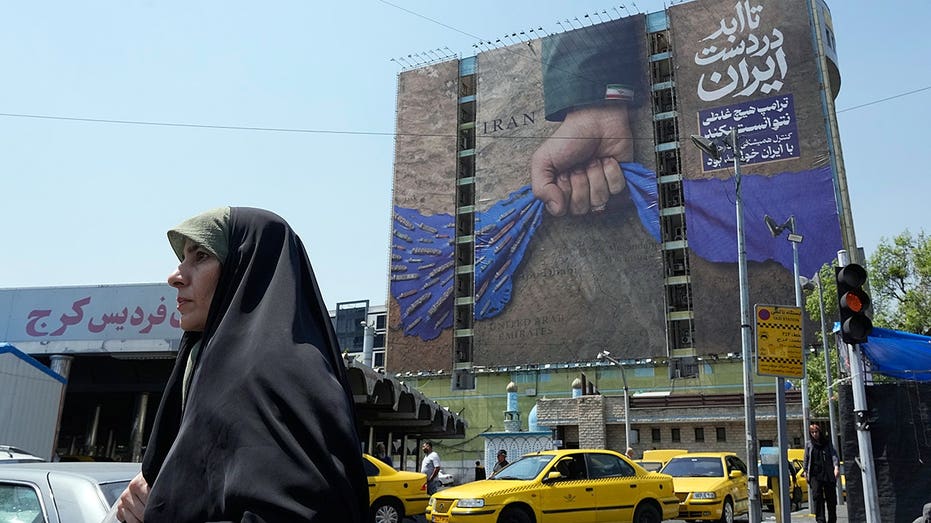
A proposed $300 billion investment fund for Iran included in the U.S.–Iran memorandum of understanding could run into significant legal barriers under existing U.S. sanctions law, raising doubts about whether the plan is feasible even if both sides advance toward a final agreement. The memorandum, digitally signed Wednesday by President Donald Trump and Iranian President Masoud Pezeshkian, is intended to end the war and restore traffic through the Strait of Hormuz. Under the 14-point plan, the U.S. agreed to lift sanctions on Iran, let Tehran boost its oil revenue and regain access to parts of the international banking system, among other steps. But one of the framework’s most ambitious elements — a proposed $300 billion private investment fund for Iran’s reconstruction and development — may conflict with a long-standing U.S. finding that Iran’s construction sector is controlled directly or indirectly by the Islamic Revolutionary Guard Corps. The concern is more than procedural. It raises the question of whether one of the Trump-Iran framework’s core economic promises can actually be carried out under current U.S. law. If the $300 billion fund relies on investment in sectors Washington has already designated as IRGC-controlled, experts say the administration may have to depend on temporary waivers or new licenses — a legal setup that could deter long-term investors and make any final deal harder to implement. TOP SENATE REPUBLICAN RIPS INTO TRUMP’S IRAN DEAL, SAYS $300 BILLION MAKES OBAMA DEAL LOOK LIKE ‘A PITTANCE’ The State Department formally determined in 2020, and again in May 2025, that…
Want more insights? Join Grow With Caliber - our career elevating newsletter and get our take on the future of work delivered weekly.
