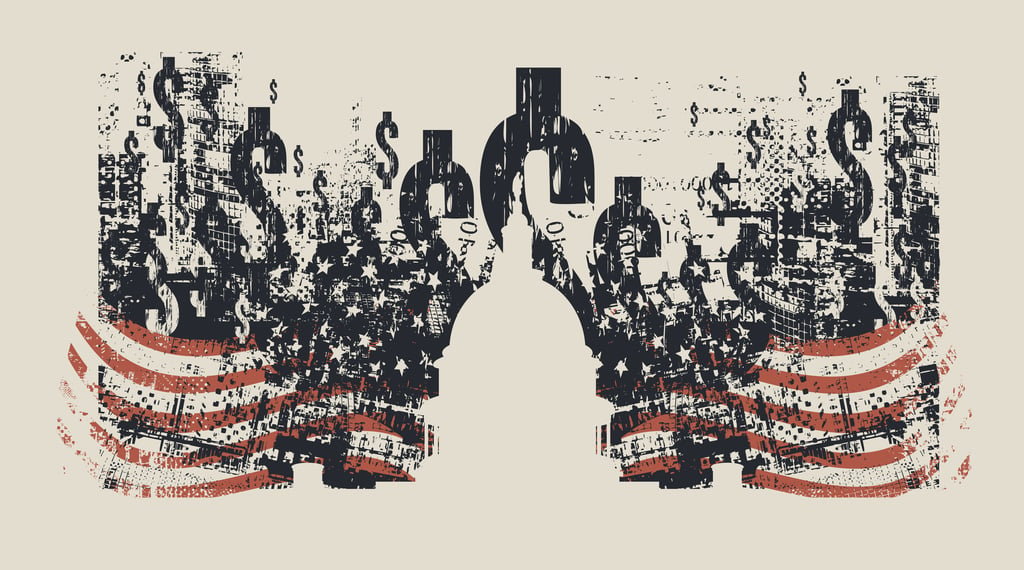
—paseven—Getty ImagesIt was almost Inauguration Day, and autocracy was in the air. Armed guards patrolled federal buildings; machine-gun-toting snipers perched on rooftops. As protests raged outside banks, leading pundits and politicians suggested ceding power to the President to restore order. One major outlet even famously declared itself “For Dictatorship if Necessary.”The year was 1933. At the depths of the Great Depression, the American experiment felt like it was nearing its expiration date. President Franklin D. Roosevelt famously declined to take the dictatorial path. However, the moment proved a chilling warning: when the economy fails the people, many become willing to gamble with their freedom.We have seen this fever before. In the 1890s, at the height of the Gilded Age, Southern states rewrote their constitutions to disenfranchise poor whites and Black citizens alike, specifically to crush the rising Populist movement. The common thread across these eras is stark economic inequality. In 1890, the richest 1% owned a quarter of the nation’s wealth. In 1928, they took home nearly a quarter of every dollar of income.Today, wealth is even more concentrated. In 2026, the world’s 12 richest billionaires possess more wealth than the entire bottom half of the global population—roughly 4.1 billion people—combined.Those of us dedicated to strengthening American democracy have long supported the hallmarks of a free and fair society, including a vibrant civil society, an independent press, quality civics education, and elections run with integrity. But unless we shift significant resources toward establishing economic justice, we will fail to address…
Want more insights? Join Grow With Caliber - our career elevating newsletter and get our take on the future of work delivered weekly.
