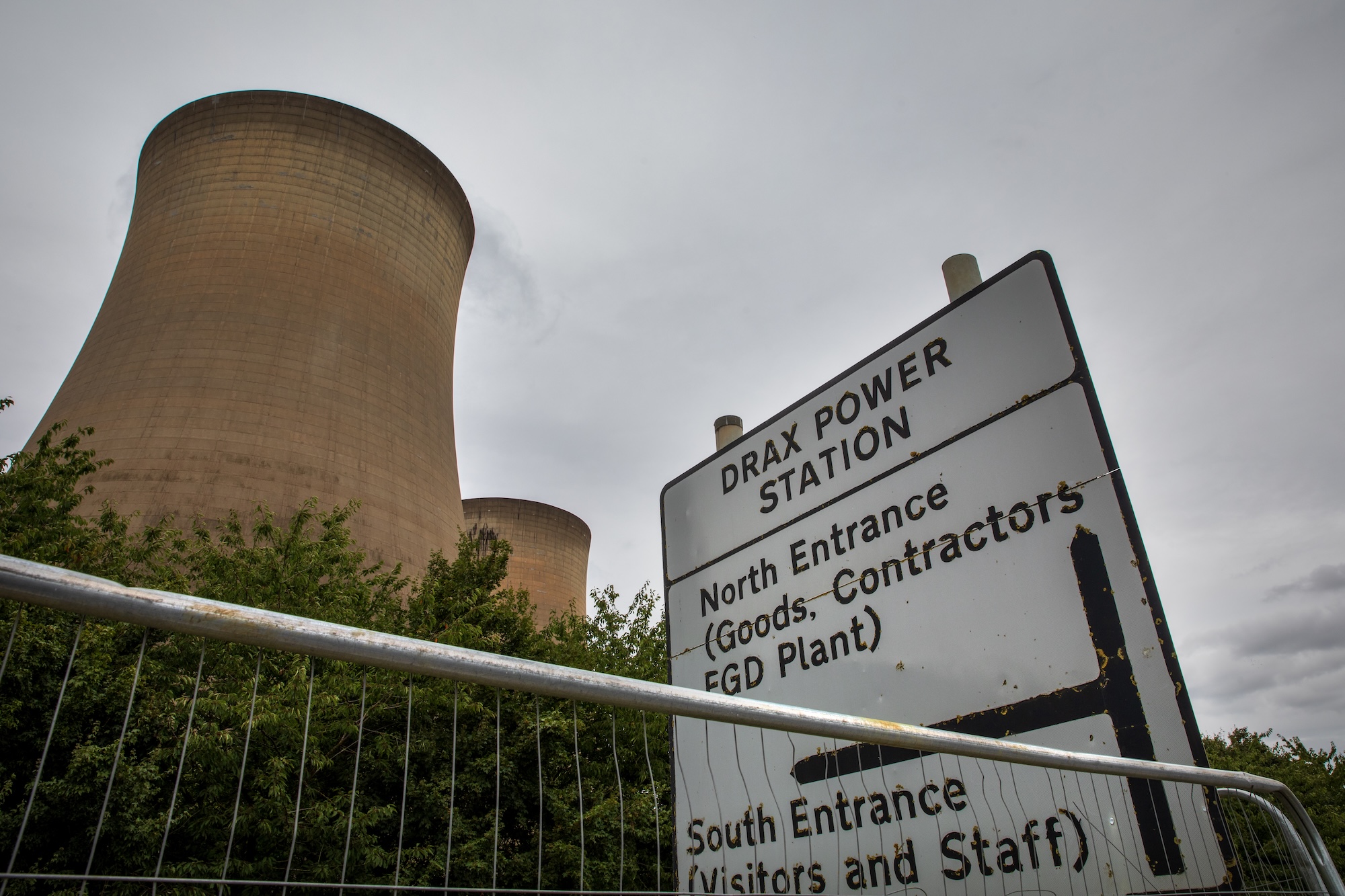
Kathleen Watts’ flowers bloom much brighter now that the wind no longer blows black. Pulling weeds in the garden outside her redbrick house, she recalled when coal dust would sometimes drift through her quiet corner of northern England, a rolling patchwork of farms and villages under the shadow of what was once the United Kingdom’s largest coal-burning power station. “When the dust came our way, we’d have to come out and clean our windows,” said Watts, who has lived in the North Yorkshire village of Barlow for more than 30 years. “And when we’d get snow in winter, there’d be a lot of black over it.” Thankfully, she said, the wind usually blew northeast, pushing the station’s smoke and dust toward Scandinavia. Locals liked to joke that the air pollution was mostly Norway’s problem. There, it caused bouts of acid rain that damaged forests and poisoned lakes. The U.K. has quit coal — a lengthy process culminating in the closure of the country’s last deep-pit coal mine in 2015 and the shutdown of the U.K’s last coal plant in 2024. The giant station near Barlow, however, is busier than ever, fueled now by American forests rather than English coalfields. Trees felled, shredded, dried, and pressed into pellets in Louisiana and Mississippi are shipped across the Atlantic Ocean, loaded onto trains, and then fed into the station’s immense boilers. Operated by Drax Group, the station gradually stopped burning coal until it made a full switch to wood in 2023. It now…
Want more insights? Join Grow With Caliber - our career elevating newsletter and get our take on the future of work delivered weekly.
