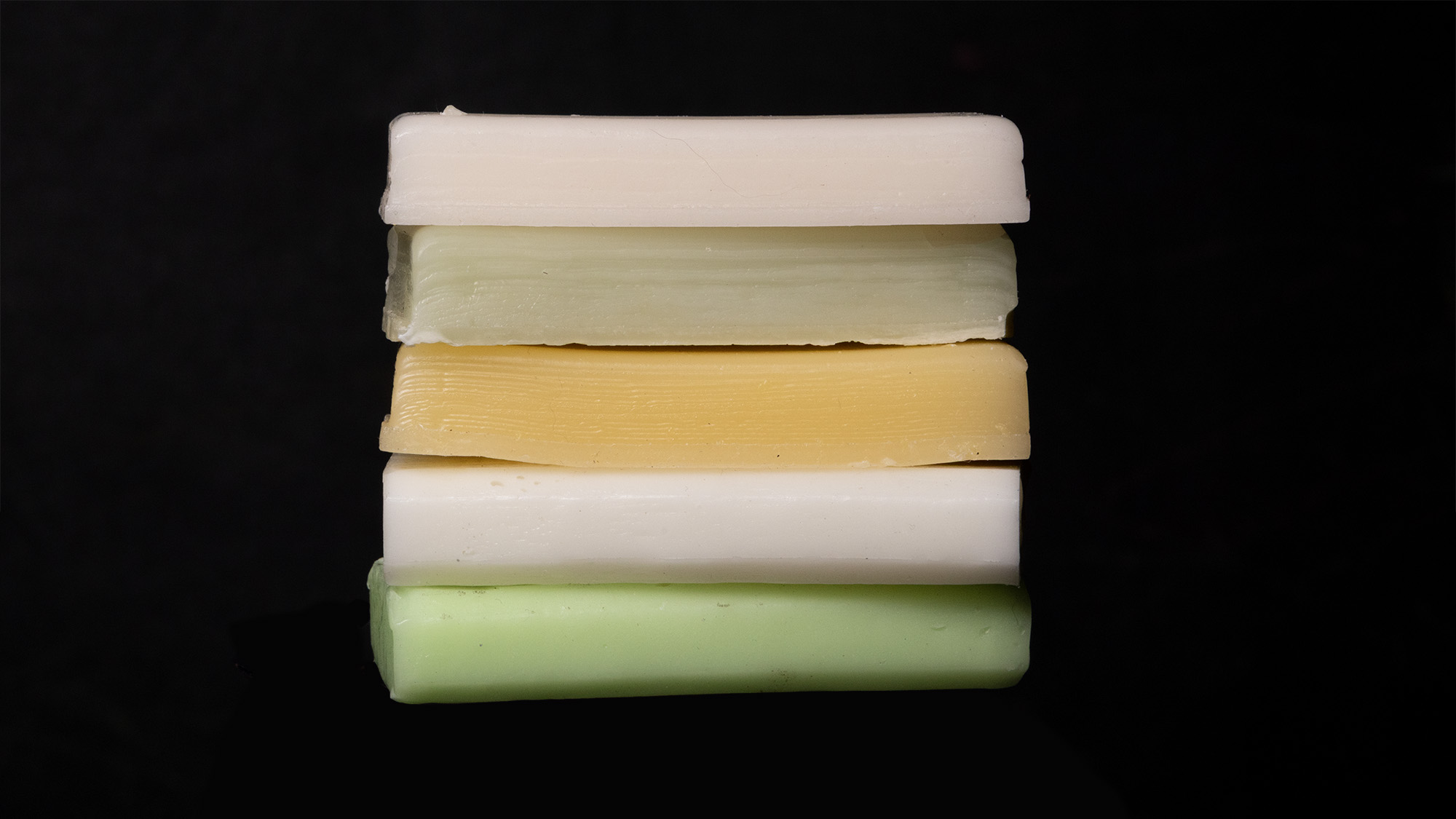
Tim Baucom has done this before. The Milan Cortina Games will be his third Olympics as a wax technician for the United States’ cross-country ski team, a job characterized by long flights schlepping tools and duffel bags of gear halfway around the world, and even longer days prepping skis. His objective is to help American athletes gain even a fraction of a second in competition. But for the first time at an Olympics, he won’t have what was once one of the most powerful tools in his kit: fluorinated ski waxes. In sports where a gold medal can be decided by inches, downhill and cross-country skiers and snowboarders across the competitive spectrum have used so-called “fluoros” since the 1980s. Typically sold as powders or blocks of hard wax, these lubricants are renowned for their ability to wick water and shed grime, making it easier to glide through snow with minimal resistance, especially in warm conditions. “There’s nothing in the chemical world that I’m aware of that can replicate their hydrophobic and dirt-repelling properties,” Baucom said. But the reason these products work so well is that they contain PFAS, short for per- and polyfluoroalkyl substances. This class of 15,000 so-called “forever chemicals” is notorious for their harmful effects on human health and the natural world. After years of mounting concern over human exposure and environmental contamination, the International Ski and Snowboard Federation, known by its French acronym FIS, banned the use of fluoros in 2023. “I think it kind of is…
Want more insights? Join Grow With Caliber - our career elevating newsletter and get our take on the future of work delivered weekly.
