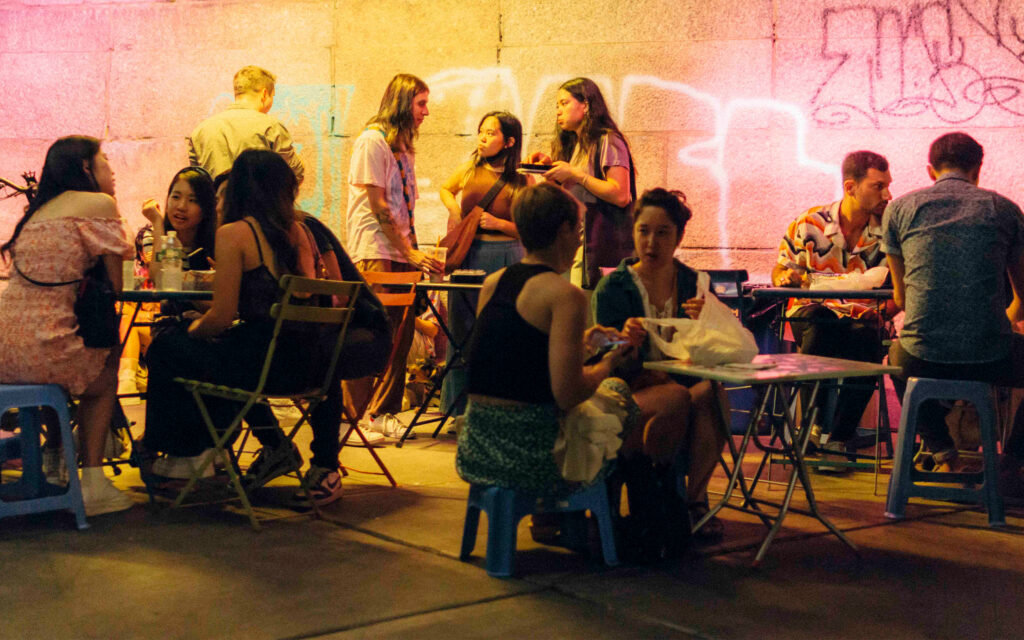
The judging process for Architizer’s 14th A+Awards is now underway. Subscribe to our Awards Newsletter to receive updates about Public Voting, and stay tuned — winners will be announced later this spring. For decades, urban planning has operated under a constant daytime bias. Our streets, parks and plazas are designed to peak during the 9-to-5 window, with almost no attention to anyone outside that window. Historically, this transition from day to night has been treated as a functional off switch, with cities managing the dark hours through the narrow, clinical lenses of basic visibility or reactive policing. This traditional approach ignores a fundamental reality: the city doesn’t sleep. When we design only for daylight, we ignore the second half of the day and the diverse population that inhabits it, from healthcare workers and logistics crews to hospitality staff. The scale of this oversight is massive. According to the World Economic Forum (2024), New York City’s nighttime economy generates over $35.1 billion annually and supports 300,000 jobs, while in London, the nighttime sector contributes £26 billion and employs more than one million people. Recognising this, a shift in urban governance is taking place. Several years ago, the Netherlands pioneered the role of the Night Mayor (Nachtburgemeester), a municipal title for someone who represents and develops a city’s life after dark. This movement has since gone global; Amy Lamé serves as London’s first Night Czar, and Washington, D.C. has established a Director of the Mayor’s Office of Nightlife and Culture. These…
Want more insights? Join Grow With Caliber - our career elevating newsletter and get our take on the future of work delivered weekly.
