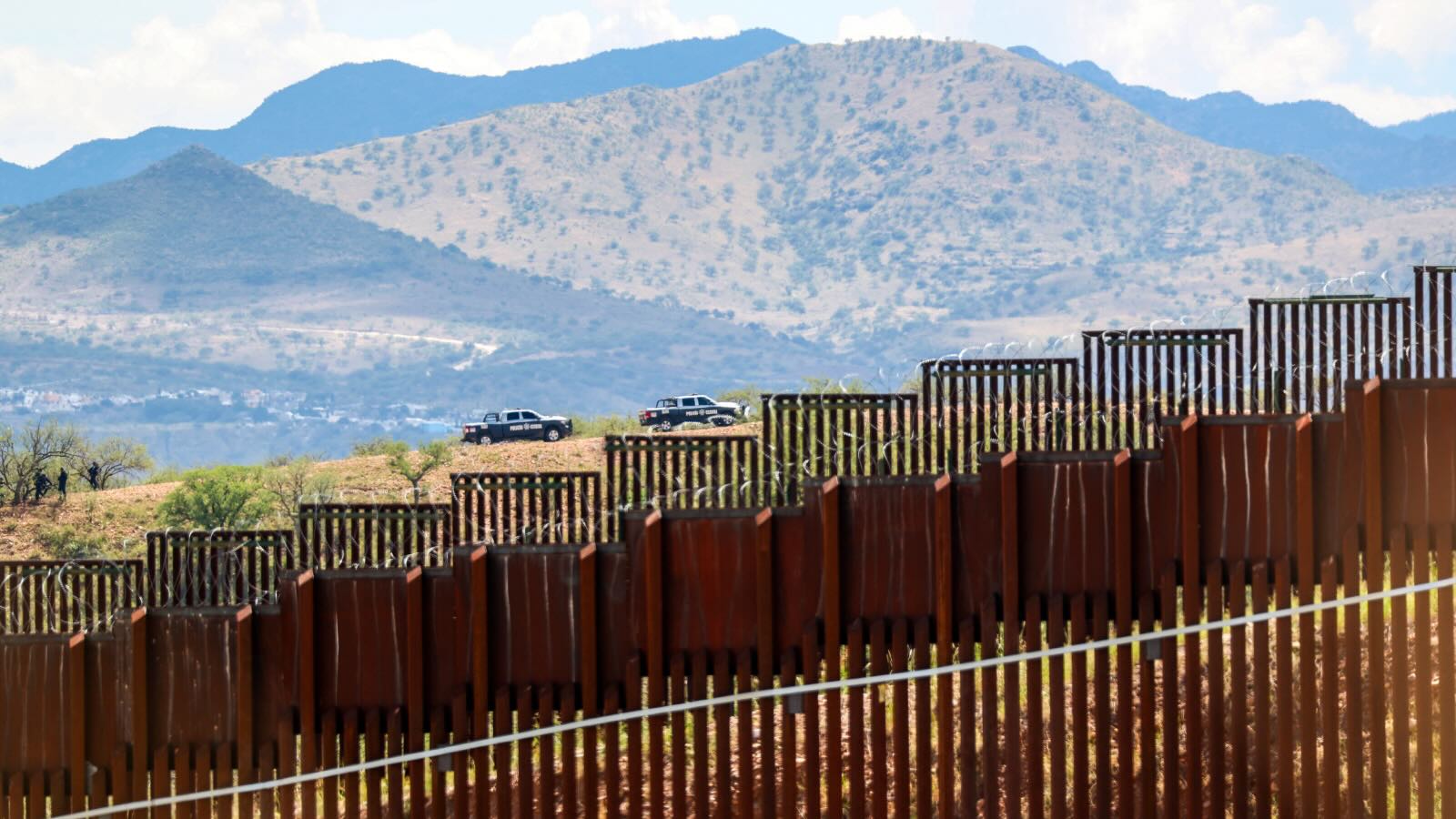
In Guatemala, outside the town of Jocotán, in a house hidden from the main road by a thin wall of vegetation, I met Elena, a slight 38-year-old with bright eyes and dark hair that was just starting to show the first hints of gray. Elena had seven kids whom she spent most of her time caring for, while her husband found unsteady work as a for-hire farmer. Her husband’s job paid enough to get by, just barely, but the family struggled to travel to see a doctor for their 5-year-old daughter, who had an undiagnosed heart issue. The eldest daughter, who was 19, had been going to school but dropped out during the COVID-19 pandemic because they could no longer afford the $40 per month for books, her uniform, and other costs. Meanwhile everything was getting more expensive, Elena complained, and it often did not rain enough to yield a fruitful harvest. We met in a neighbor’s dirt-floor compound, where chickens and ducks pecked at a trash heap and muddy patches of ground. Behind me, tortillas smoked on the stove in the detached cinder-block kitchen. Nearby, cars and trucks rumbled down the main road heading to the Honduras border a half hour away. When I asked Elena about the prospect of going to the United States, a shy smile crept across her face. Her husband talks about it, she said, but she knows it’s just a dream. It would cost thousands of dollars to hire a coyote and make the…
Want more insights? Join Grow With Caliber - our career elevating newsletter and get our take on the future of work delivered weekly.
