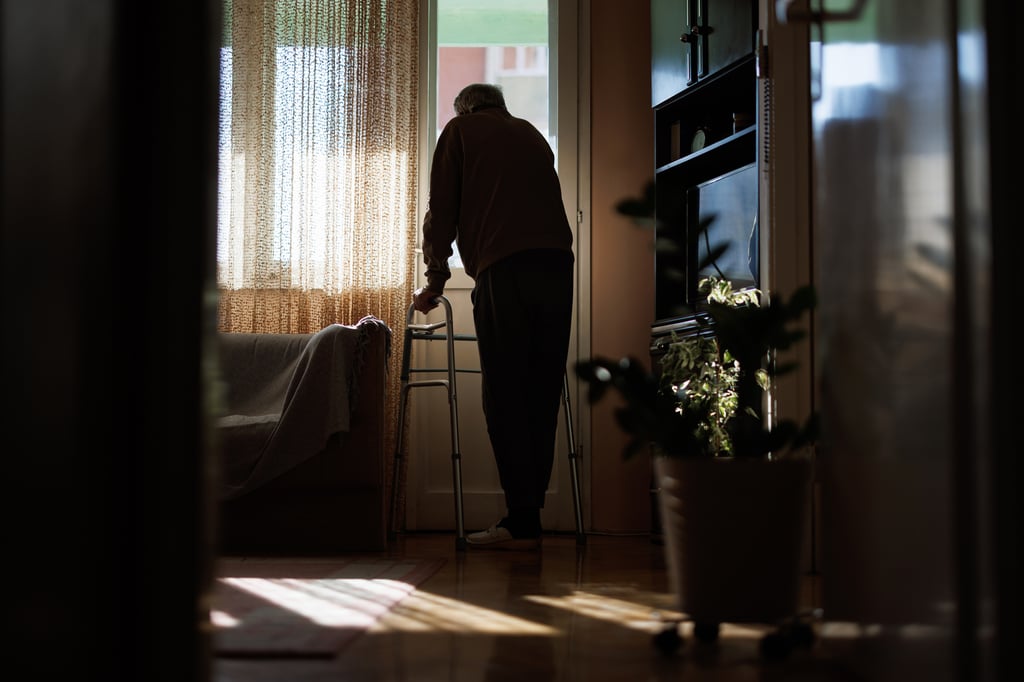
—Constantinis—Getty ImagesWhen I was just 13-years-old, my mother suffered a traumatic brain injury at work, and I was forced to become her caregiver. No one came to help us; there was no support system in place, and it all fell on me. Over the next several years, I helped her to function with daily tasks like standing, walking, dressing, eating, managing doctor’s appointments, and even paying the bills. I was the parent, she was the child. I’m not alone. According to AARP, there are over 5.4 million children in the U.S., especially girls, currently caring for chronically ill and disabled family members. Last month, the GOP announced new proposed healthcare cuts as part of a $200 billion dollar budget bill to fund military operations and expenses for the war in Iran. This could put additional strain on younger family members to become caregivers before they turn 18.This news comes as millions are already bracing for planned reductions, expected to take effect this October, from the “One Big Beautiful Bill Act” (OBBA) that President Donald Trump signed into law last July. An estimated 11.8 million Americans who require Medicaid are expected to lose critical coverage—including up to 4.3 million people who rely on Medicaid Home Care Based Services (HCBS), like in-home nursing care. For children and adolescents who are pushed into caregiving at a young age, this threat of loss of critical medical support is likely to be catastrophic. The impact of the OBBA and the new potential bill goes beyond people losing…
Want more insights? Join Grow With Caliber - our career elevating newsletter and get our take on the future of work delivered weekly.
