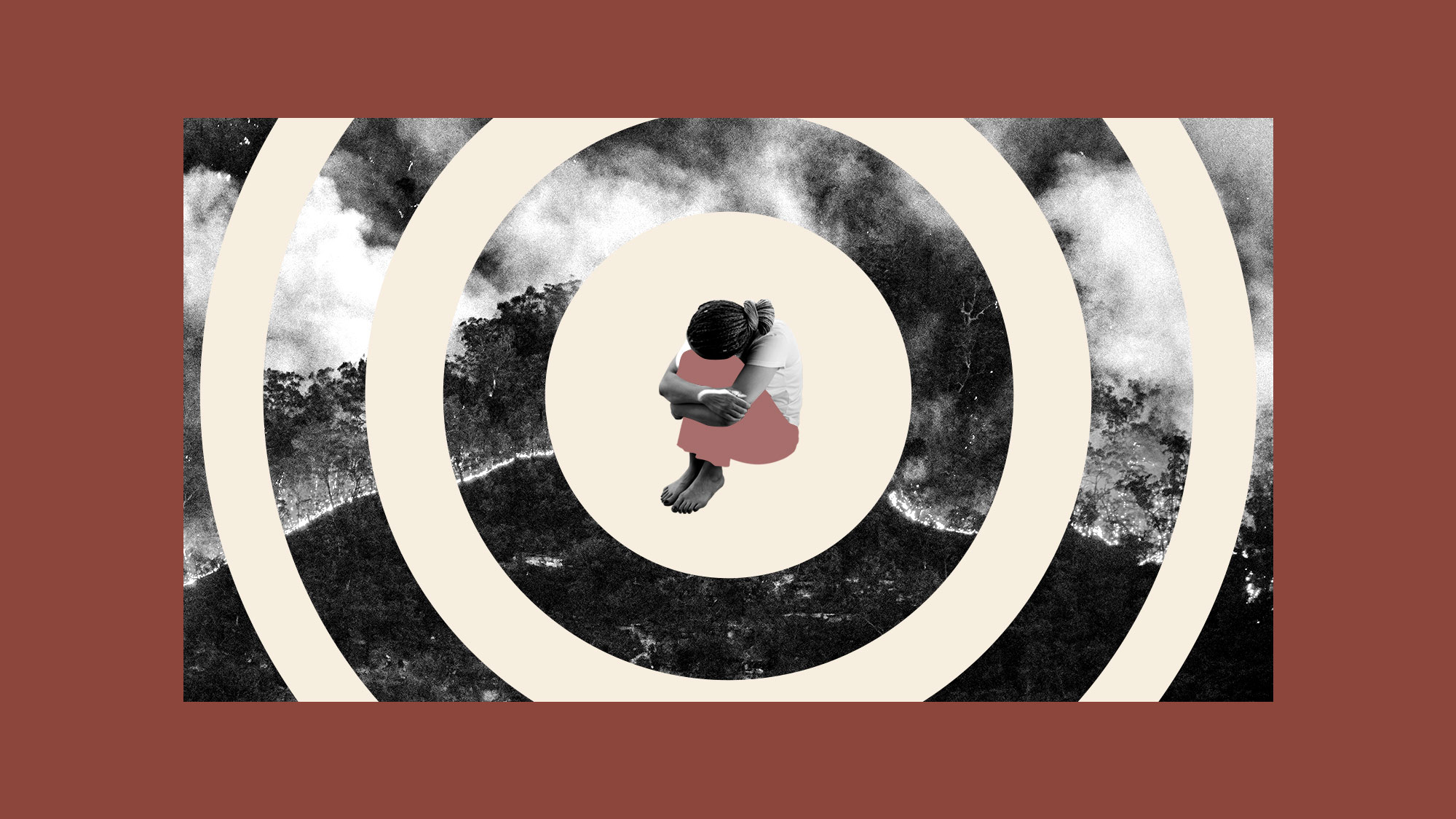
Dear Leslie, A lot of my work in therapy for anxiety has focused on recognizing catastrophic thinking and assessing what is more realistic. How would you suggest adapting this for a world where reality itself is increasingly becoming more catastrophic, and science suggests things will get worse in the future? — Anonymously Anxious Submit a question for a future Ask a Climate Therapist column Dear Anonymously Anxious, Your question points to something I’ve had to reckon with in my own practice as a therapist. Before I became more aware of the impacts of climate change, I used the same framework you describe — I helped clients recognize their distorted thinking and recalibrate toward what’s realistic. But as I came to understand the actual science, I had a striking realization: For climate-aware clients, their anxiety isn’t distorted at all. It’s a healthy response to real destruction and the inadequate efforts to address it. Shifting toward “what’s realistic” isn’t what we’re after to manage climate anxiety. Instead, it’s about navigating high-stakes uncertainty by developing new skills — helping people stay grounded and functional while channeling their distress into meaningful action with others. Ask a Climate Therapist tackles your questions about how to navigate the emotional side of climate change, with leading climate-aware therapist Leslie Davenport. Have a question? Ask it here! I think part of what you’re asking is how to distinguish a clear-eyed view of the climate crisis from catastrophizing. First, we need to understand the human tendency to catastrophize. Part of…
Want more insights? Join Grow With Caliber - our career elevating newsletter and get our take on the future of work delivered weekly.
