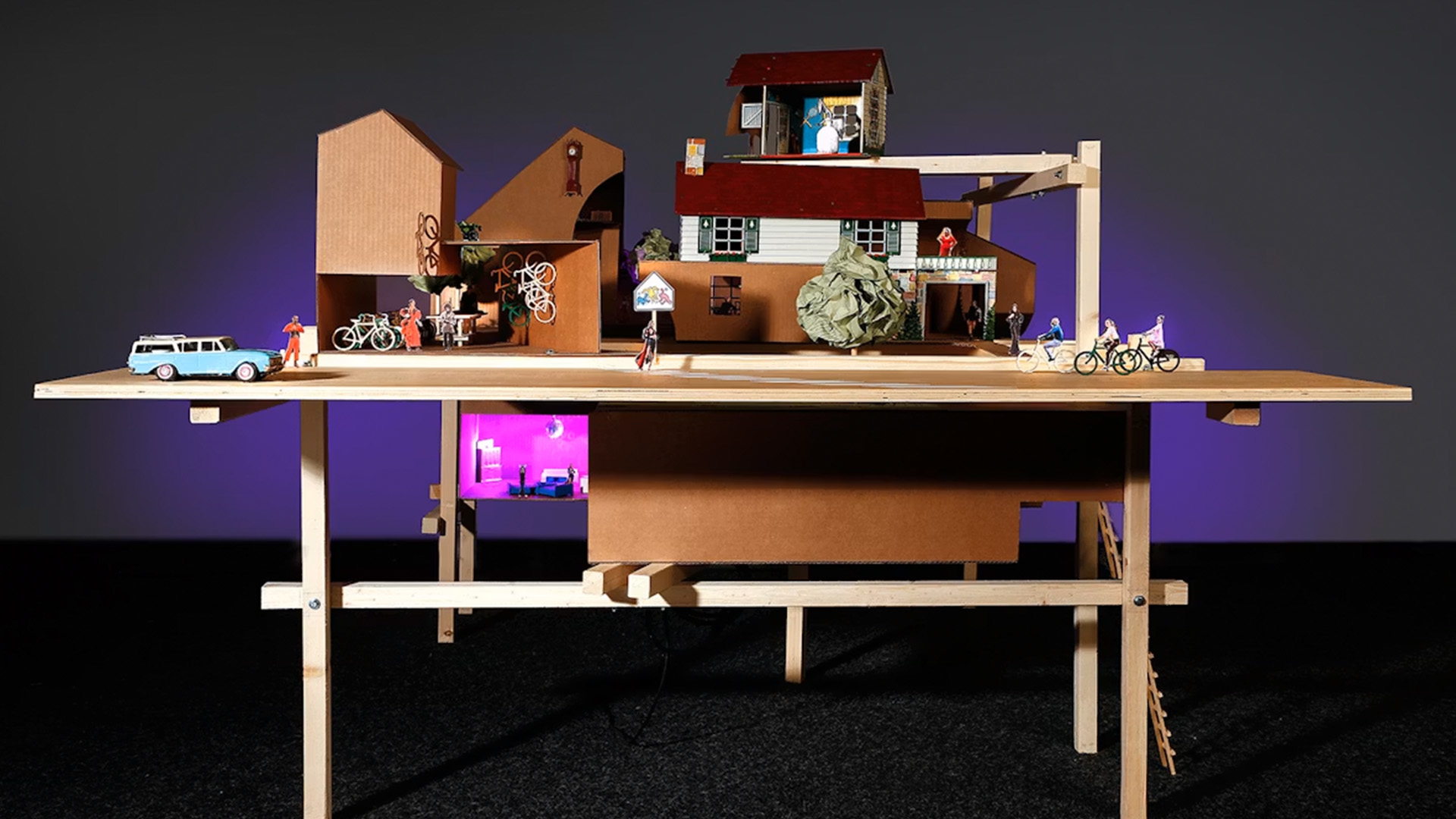
The votes for the 2025 Vision Awards have been counted! Discover this year’s cohort of top architectural representations and sign up for the program newsletter for future updates. For years, both architectural education and practice have been moving steadily toward the digital realm. Sometime in the late 2010s, most of us slowly accepted that the future of the discipline would be screen-based: software kept getting faster, AI was just around the corner and model-making already felt like something we should leave in the past. After all, why should we struggle with blades and glue when 3D models could solve everything? Yet, the more digital our tools became, the more one thing was missing in our work: presence — whether that be material, spatial or conceptual. (All these screens everywhere, but nothing to touch an architect’s soul like a plain old model). But somewhere between the endless iterations and frictionless visualization, it became clear that architecture will always need a medium that slows us down and forces ideas into real space. And this year’s Vision Awards winners most certainly affirm that point. Analog models are definitely returning to the spotlight, not as nostalgic artifacts, but as a serious tool for design thinking. From Screen Fatigue to Spatial Clarity: The Case for Tactility The House for Twos: Living and Collecting within Cones and Funnels by Alexander Htet Kyaw, 2025 Vision Awards, Presentation Model, Editor’s Choice Winner One reason physical models feel newly relevant is the sheer volume of time architects now spend…
Want more insights? Join Grow With Caliber - our career elevating newsletter and get our take on the future of work delivered weekly.
