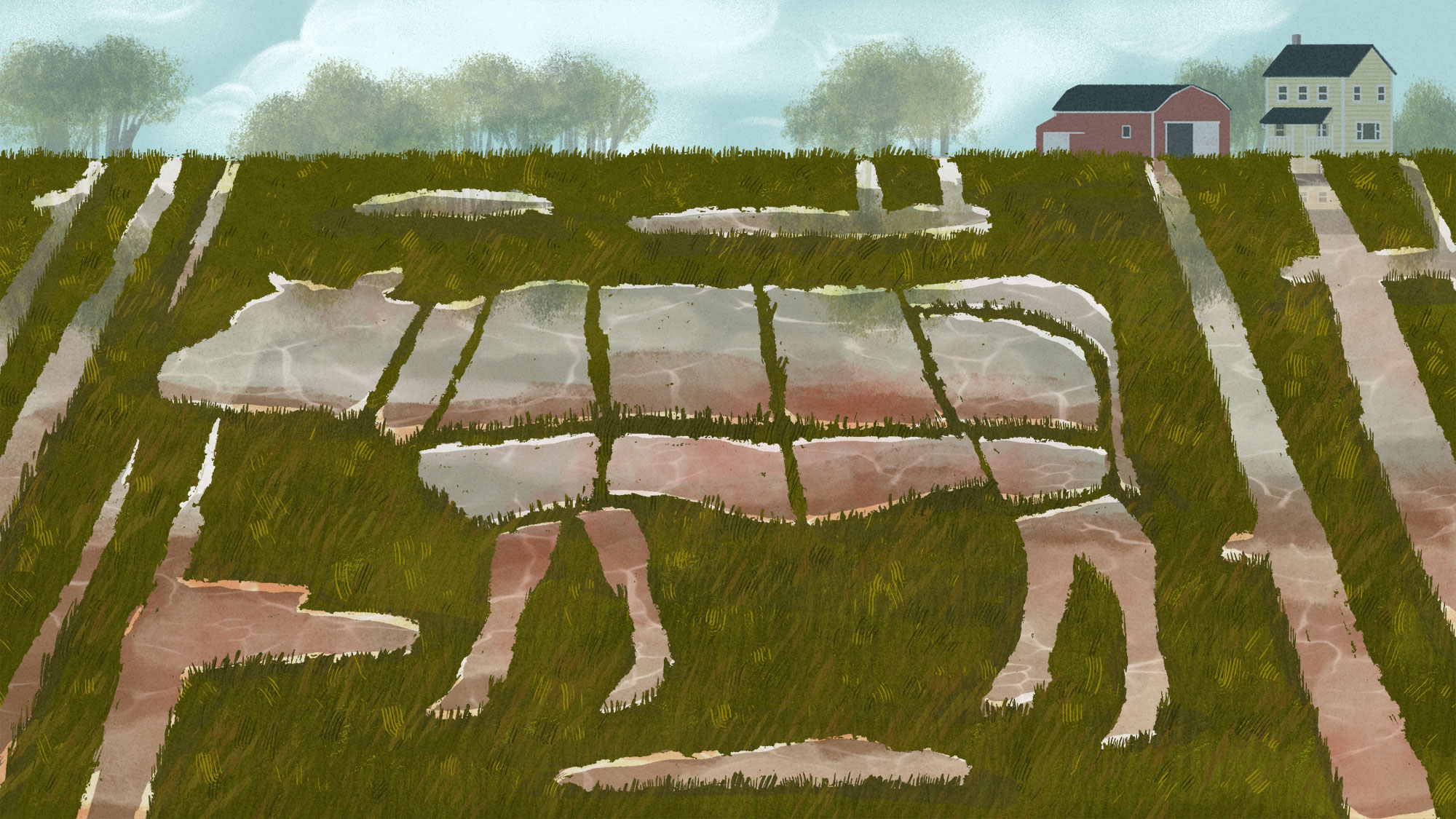
When Trish Leigey’s taps started running brown and foul in late 2019, she had an uneasy suspicion about what was tainting the once-clear mountain water. Tests later confirmed her hunch. Bovine DNA had infiltrated drinking water supplies in rural Loganton, Pennsylvania — contamination her lawyers linked to Nicholas Meat and its practice of spreading liquefied animal waste on nearby fields. That may not have surprised many of Leigey’s neighbors. Most of them were well aware of the desiccated animal parts occasionally strewn across local roads. Not many gave a second thought to trucks spraying a cocktail of blood, urine, water, and other slaughterhouse refuse over local farmland. But few wanted to accuse the company of wrongdoing, given that it employs over 425 people — about as many people in all of Loganton — and by some estimates processes 10 percent of the state’s beef. Leigey, a single mother who works three jobs, decided she had to speak up, for herself, her family, and her neighbors. “I just want a simple life,” she said. “I don’t feel like I should have to be emotionally, mentally, financially, and physically exhausted because some millionaire wants to dump blood on fields because it’s a cheap way to dispose of it. It’s not right.” A crew cleans slaughterhouse waste that spilled along a rural road in central Pennsylvania in 2021. Courtesy of Nidel & Nace P.L.L.C. A jury agreed and in December held the company liable for causing a nuisance and trespassing on neighboring properties…
Want more insights? Join Grow With Caliber - our career elevating newsletter and get our take on the future of work delivered weekly.
