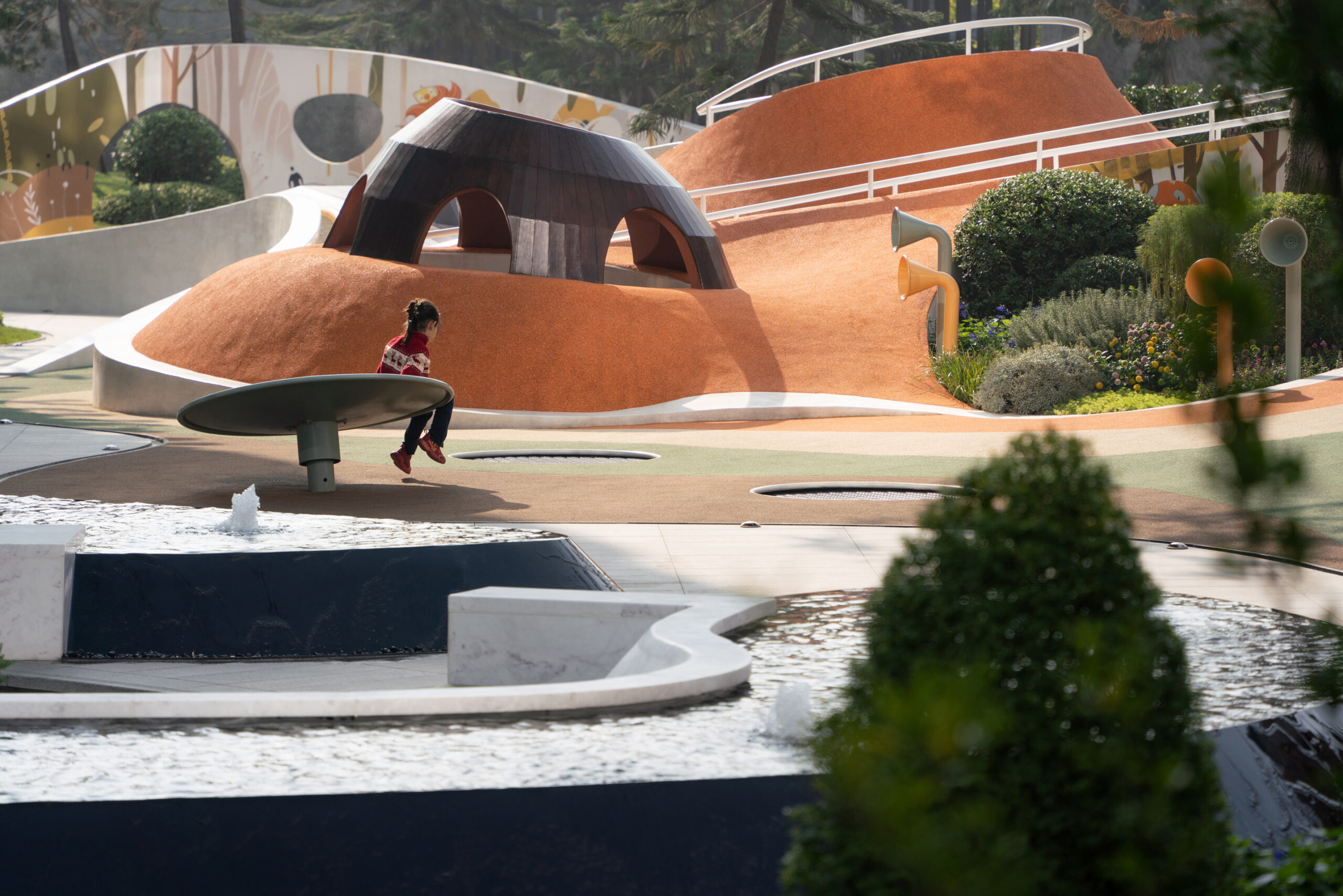
Architizer’s diverse jury of global experts is currently reviewing submissions to the 14th A+Awards! Sign up to receive updates on Public Voting and spring winner announcements. Play is more than a developmental necessity for children; it is a fundamental human experience that transcends age, culture, and geography. In the modern urban landscape, however, play is often relegated to isolated, standardized zones. To truly succeed, our cities must move beyond treating play areas as mere amenities and instead embrace them as the heart of community identity. According to a report published by Play England and the Department for Children, Schools and Families, supported by CABE Space, the most successful urban interventions operate under a single, golden rule: a play space should be a destination in its own right, uniquely crafted to provide maximum play value within its specific environmental context. Today, designers continue to explore how to create spaces suitable for various age groups, from children to the elderly, welcoming everyone into public spaces. They aim to make these areas safer, more inclusive, and accessible at all times, from daylight hours to nighttime. From an architectural perspective, this involves a design-led approach that moves beyond generic playground models in favor of bespoke interventions that respond to local topography, climate and cultural heritage. Additionally, with climate change and technological advancements, playgrounds serve not only as areas for children to play but also as safe environments for exploration, applying learned skills, and connecting with the real world through tactile experiences. By emphasizing these…
Want more insights? Join Grow With Caliber - our career elevating newsletter and get our take on the future of work delivered weekly.
