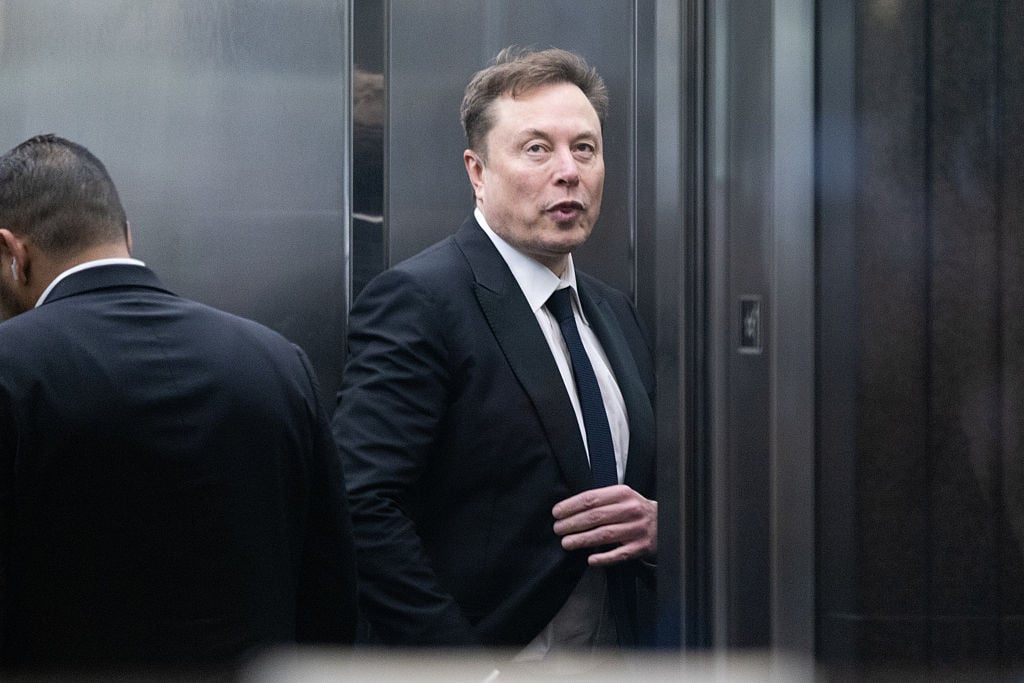
Elon Musk arrives to court on April 30, 2026 in Oakland, California. —Benjamin Fanjoy—Getty ImagesOn Monday, an Oakland jury took under two hours to unanimously reach a verdict dismissing Elon Musk’s lawsuit against Sam Altman and OpenAI. Throughout the trial Musk had portrayed it as the good fight to prevent Altman from “stealing” OpenAI, which was founded as a nonprofit. Others, however, framed it as a more cynical effort. “It’s too late now to gin up something to harm a competitor,” said OpenAI’s lead lawyer, William Savitt, during his opening arguments. In 2015, Musk co-founded OpenAI with Altman, among others, out of concern that powerful future AI systems would be developed by Google and controlled by other billionaires. He founded xAI in 2023, after a dispute over control of OpenAI. Musk had asked the court to reverse OpenAI’s for-profit conversion, which the company completed late last year, and to return roughly $150 billion to the nonprofit. Such a decision would have been “catastrophic” for OpenAI, says Charlie Bullock, a senior research fellow at LawAI, and would have “sent shockwaves through the global economy.” The jury’s decision that Musk waited too long to sue, exceeding a three-year statute of limitations, is just the latest blow to Musk and xAI. Rather than strengthening xAI’s position in the industry, the trial mostly served to illustrate its various weaknesses. In February, Musk’s SpaceX acquired xAI, with the AI company reportedly valued at around $250 billion—far short of OpenAI’s most recent $852 billion valuation. Over 50 employees subsequently…
Want more insights? Join Grow With Caliber - our career elevating newsletter and get our take on the future of work delivered weekly.
