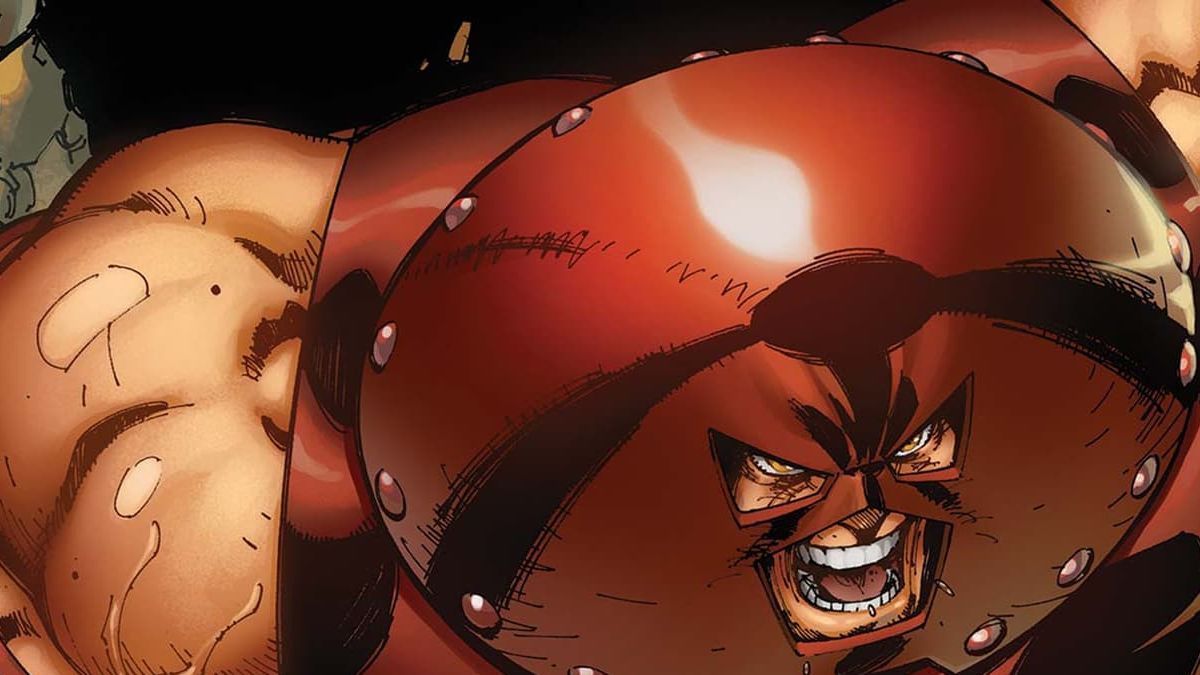
Marvel’s profitable relationship with Capcom began with arcade beat ’em up The Punisher in 1993, but quickly switched to fighting games with X-Men: Children of the Atom in 1994. The X-Men were mega popular at the time, so it made perfect sense. One problem, however, was that Marvel was more protective of its characters in the ’90s.”I remember it was pretty challenging,” Takuya “Tom” Shiraiwa, a former localization lead at Capcom, recently told Time Extension, “because they had very, very specific rules about their characters, like their behaviours and their personalities, right?”The first round of conversation was always about which characters would be allowed. Just because Spider-Man appeared in some X-Men comics doesn’t mean you can have him in your X-Men game, for instance. It didn’t stop once the full cast of characters was decided on, though.”When we came back and started working on the character,” Shiraiwa said, “we usually submitted all the character animations on videotape to get approval. And when we submitted Juggernaut, they said, ‘No, Juggernaut can’t jump. He’s too heavy.'”A significant villain for the X-Men, Juggernaut is Professor X’s stepbrother who got superpowers from a demonic gem. (Comics!) Those superpowers make him a tank-sized Übermensch who is literally unstoppable, though I’ve never read a comic that suggests he can’t jump. At one point he leapt out of a plane without a parachute, though I suppose that was more of a controlled fall than a jump.(Image credit: Capcom)It was Shiraiwa’s job to convince Marvel to let Juggernaut…
Want more insights? Join Grow With Caliber - our career elevating newsletter and get our take on the future of work delivered weekly.
