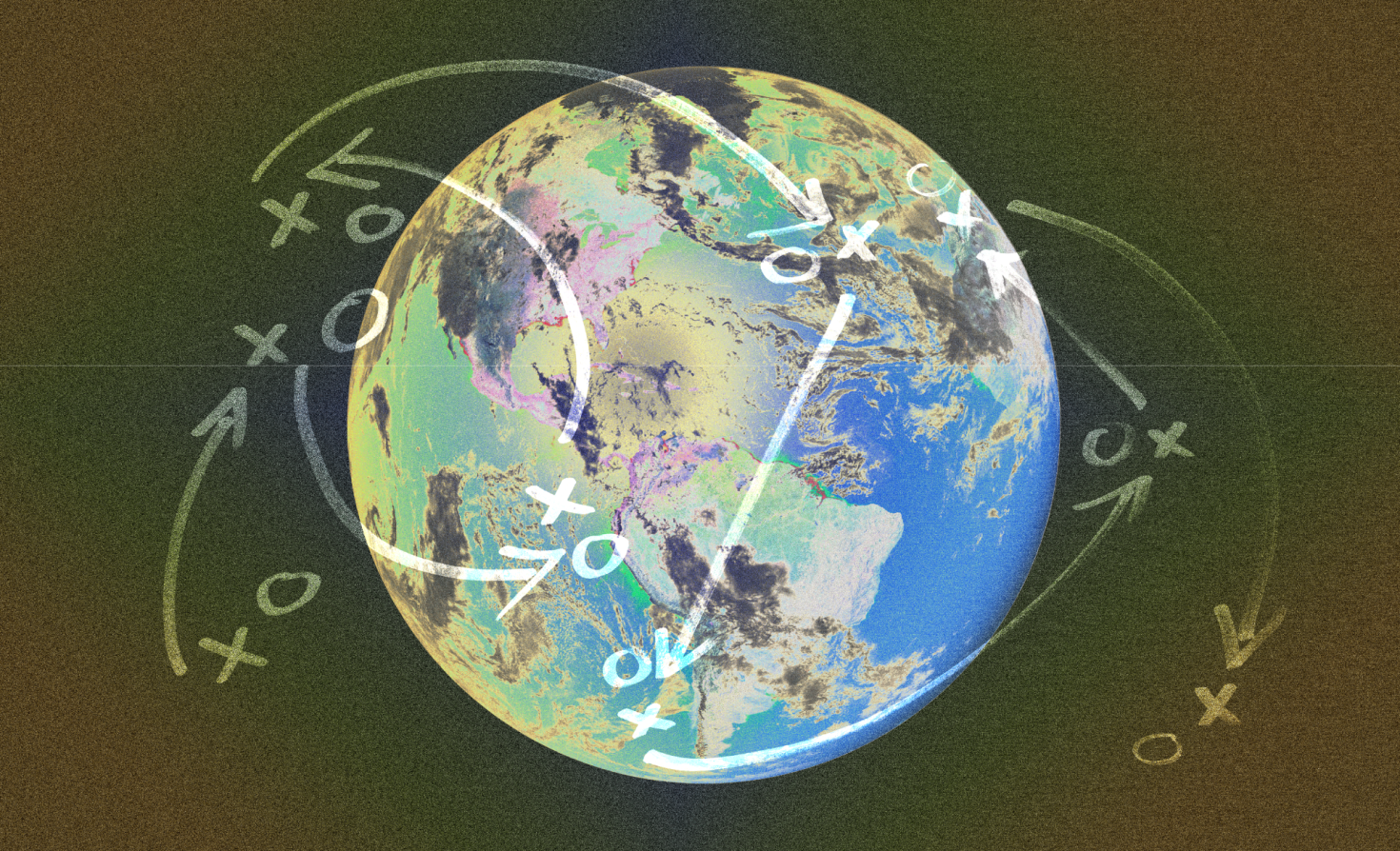
The opinions expressed here by Trellis expert contributors are their own, not those of Trellis. Regarding climate change, we keep failing to act at scale because we keep treating it as a complicated problem when it is, in the academic sense, a wicked one. And wicked problems don’t yield to the tools we’re using. Let us explain. In 1973, academics Horst Rittel and Melvin Webber published a paper we often recommend to impact investing and sustainability students and professionals. They identified a category of problems they called “wicked” — not morally, but structurally. These are problems that resist clean formulation, have no definitive stopping point, produce no clear right or wrong answers, and where every attempted solution changes the problem itself. Climate change is perhaps the wickedest of problems. Consider a few of Rittel and Webber’s defining characteristics: There is no clear definition. Climate change means something categorically different to a coastal Bangladeshi farmer, a Texas refinery worker and a sovereign wealth fund manager in Abu Dhabi. You cannot solve a problem you can’t agree on how to define. Solutions are only better or worse. A carbon tax, a green hydrogen mandate, a cap-and-trade scheme — none of these can be proven to be a correct course of action. They’re all just value-laden and time-dependent bets. Every solution is a one-shot operation. When you intervene, you change the system (for better or worse) and there’s no baseline to return to. This is the fact that makes geoengineering so sobering and…
Want more insights? Join Grow With Caliber - our career elevating newsletter and get our take on the future of work delivered weekly.
