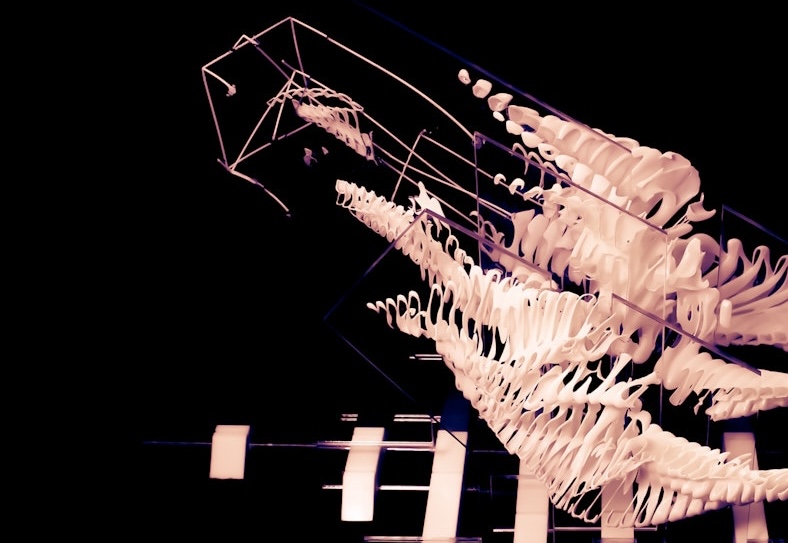
Architizer’s newest print publication is available for pre-order! How to Visualize Architecture is an educational guide designed to help you master the craft of architectural storytelling and visual communication. Secure your copy today. There are two types of models in architectural practice: the presentation model, which shows the polished, finished design and the concept model that acts as an investigative device for architectural thought. The latter is where all the fun happens. Concept models sit in the intersection of intuition and instruction, usually trying to physically translate an idea into a spatial gesture. And, although concept models have the freedom to be anything, there are certain practices that can distinguish a glorified lump of foam from a model that conceptually anchors the whole project. 1. Establish a Clear Spine: One Idea, Ruthlessly Protected The Death and Life of Ultramafic Soil by Liu Yao | Finalist, Physical Model – Concept Model, 2025 Vision Awards The Death and Life of Ultramafic Soil is a model that focuses on the nickel-mined territories of the Indonesian Morowali Industrial Park and critiques humanity’s extractive relationship with rare earth elements and its ecological devastation. The model is constructed upon a curated ground of soil, made from a series of laser-cut beams that support a punctured warehouse roof. In parallel, a mechanical crane becomes a dominant element in the overall composition, depositing soil and guided by a retractable blue canvas, a catwalk system and water collection channels, essentially choreographing an encounter between soil and industrial machinery. Lastly,…
Want more insights? Join Grow With Caliber - our career elevating newsletter and get our take on the future of work delivered weekly.
